
Industry Insights
Plastic Pallet Allergen-Zone Release Checks for Food Warehouses
Decide when a plastic pallet can move from allergen-handling routes into non-allergen or released-goods zones, and when QA must block it.
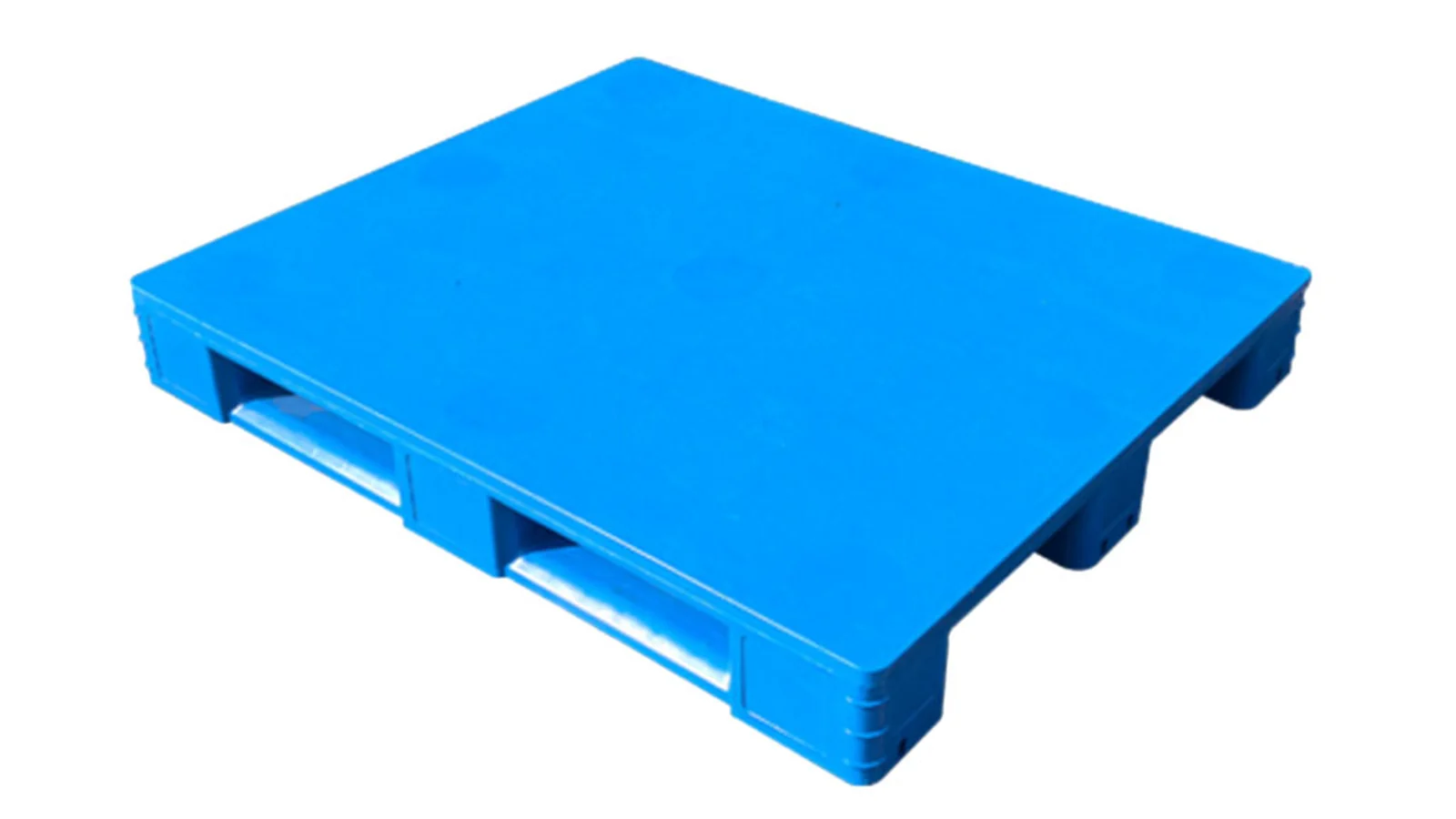
A plastic pallet can be clean enough for one food warehouse route and still be wrong for another. The hard question is usually not “can this pallet be washed?” It is whether the pallet is allowed to move from an allergen-handling route into a non-allergen, high-care, or released-goods zone.
Use this release check when pallets support sealed ingredients, wrapped finished goods, returned customer stock, or shared food warehouse flows. The goal is to prevent a pallet movement from weakening allergen segregation, cleaning records, or customer release status.
This is an operating checklist, not legal advice or food-safety approval. The site’s food safety team must decide the allergen program, validation method, and customer rules for the actual product and process.
Start with the route, not the pallet color
Color coding helps workers recognize a pallet family quickly, but color is only a signal. The release decision needs route evidence.
| Pallet status | Practical meaning | Release action |
|---|---|---|
| Dedicated allergen route | Used only for a named allergen or allergen product family | Keep in that route unless QA approves a documented change |
| Shared controlled route | May support multiple sealed or wrapped products under defined cleaning and segregation rules | Check the latest clean/release record before zone transfer |
| Unknown-return route | Returned from a customer, 3PL, outdoor staging, or mixed dock without current status | Hold until inspection, cleaning decision, and QA disposition |
| Non-allergen or released-goods route | Approved for products or areas where allergen carryover must be controlled tightly | Do not accept pallets with unresolved allergen exposure or missing records |
If the site already uses pallet colors, connect this page to the plastic pallet color-coding guide . If the main gap is cleaning frequency and release evidence, start with the plastic pallet sanitation SOP .
What the regulation supports, and what it does not
For U.S. food facilities, 21 CFR 117.3 defines allergen cross-contact in food. 21 CFR 117.135 includes food allergen controls among preventive controls where needed, and 21 CFR 117.35 addresses sanitation conditions, including cleaning and storage controls that prevent allergen cross-contact where applicable.
Those rules do not certify a pallet model. They support a narrower operating point: if a pallet can carry residue, packaging debris, dust, liquid, labels, or wrong-route identity between areas, the site needs a controlled release decision before that pallet enters a sensitive route.
A five-point release check before zone transfer
Before moving a pallet from an allergen-handling or unknown route into a non-allergen or released-goods zone, confirm all five points.
| Check | Pass condition | Block or escalate when |
|---|---|---|
| Route history | The pallet’s last route is known and allowed for the receiving zone | The pallet came from a mixed dock, returned load, customer site, spill area, or allergen line without status |
| Surface condition | No visible residue, trapped powder, liquid, broken packaging, tape, labels, or embedded debris | Any visible residue remains in deck openings, corners, runners, fork entries, or damaged areas |
| Cleaning/release record | Cleaning method, date, release owner, and permitted zone are recorded where the site requires it | The pallet was “washed” but no release rule says it can enter this zone |
| Identity agreement | Color, label, barcode, RFID, or WMS status agree with the intended route | Color and label conflict, label is missing, or the system status is stale |
| Product exposure | Goods are protected in a way the food-safety team has accepted for the route | Open product, primary packaging, high-care staging, or customer allergen rules create a stricter condition |
If any item fails, do not solve it with a verbal “looks clean.” Put the pallet in hold, rewash, downgrade, return to the dedicated route, or ask QA for disposition.
When cleaning alone is not enough
Cleaning can remove visible soil, but it does not automatically approve every movement. Treat these cases as higher risk:
- allergen powder or sticky residue has entered deck recesses, runner cavities, label edges, damaged corners, or anti-slip inserts;
- the pallet has cracks, rough abrasion, delamination, or repairs that make inspection unreliable;
- pallets are stacked wet, so water can transfer residue between units;
- labels or WMS status disagree with color or floor location;
- the route includes open product, primary packaging, or a customer-specific allergen control rule.
For these cases, QA may require validated cleaning, a dedicated pallet pool, a closed-deck or easier-to-inspect design, or permanent downgrade to a less sensitive route. The food-contact plastic pallet document checklist can help decide when product or packaging exposure needs a stronger file.
Ask the supplier only for facts they can confirm
Supplier input is useful, but it should not replace the site release decision. Ask for:
- pallet material route and whether recycled content, colorants, inserts, or labels create any use limitation;
- surface design notes that affect cleaning, drainage, inspection, or residue traps;
- compatibility limits for washing temperature, detergent, sanitizer, and repeated cleaning;
- current drawing, deck geometry, drain holes, runner openings, and label/RFID locations;
- change-control notice for color, material, surface, insert, mold, or label changes after sample approval.
Then validate the sample in the actual route. A smooth blue pallet may support an allergen program better than a dirt-trapping design, but no color or catalog claim replaces the site’s cleaning validation and zone-release rule.
Practical stop rules
Block the pallet from non-allergen or released-goods routes when:
- the last route is unknown;
- allergen residue, odor, liquid, packaging scraps, or label debris remains visible;
- the pallet is damaged in a way that hides residue or weakens cleaning inspection;
- the cleaning record does not authorize this receiving zone;
- the customer or food-safety plan requires dedicated pallets;
- the site cannot explain who approved the transfer and under what evidence.
If the pallet is otherwise useful, downgrade it to a compatible route instead of forcing it into a sensitive area. If it repeatedly fails release, review pallet design, cleaning method, storage separation, and worker training rather than treating each hold as an isolated event.
Final decision rule
Release the pallet by route evidence, not by appearance alone.
For allergen-sensitive food warehouses, the buyer’s specification should define dedicated routes, shared-route cleaning, return inspection, label/color status, and QA hold rules before bulk purchase. A plastic pallet can support better allergen control when its surface, identity, cleaning record, and movement rule all match the site’s food-safety plan.