
Low-temperature handling
Plastic pallets and crates for cold storage and frozen food
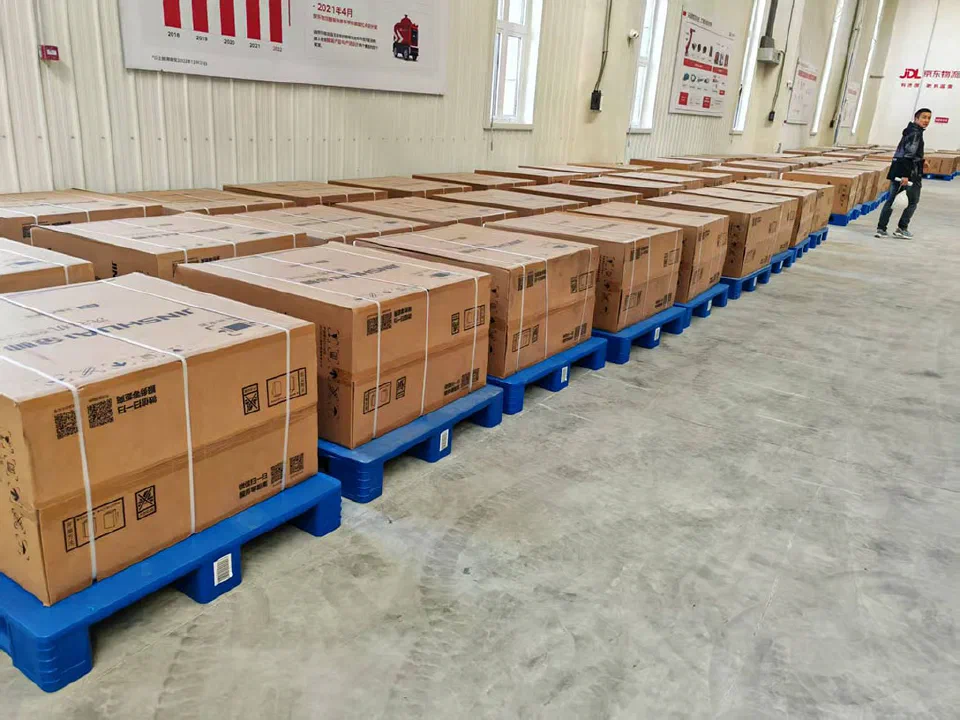
Cold environments increase impact risk and make material toughness, cleaning, stacking, and handling discipline more important than in ambient warehouses.
Common risks
What usually goes wrong
- Pallets crack or become brittle when used below the expected temperature range
- Ice, moisture, and cleaning cycles create slip and hygiene concerns
- Cold-room rack dwell time increases deflection risk
- Crates and trays must balance airflow, stacking, and cleaning
Selection factors
Details to confirm before quoting
Temperature range
Confirm ambient, chilled, frozen, and thermal shock conditions before material selection.
Impact frequency
Forklift contact and drops are more damaging when plastic is cold.
Rack and stack duration
Cold storage dwell time matters for pallet stiffness and deflection.
Recommended products
Product families to evaluate first
Review these product families, then confirm the final model against the load, dimensions, material, temperature, rack, and handling equipment.
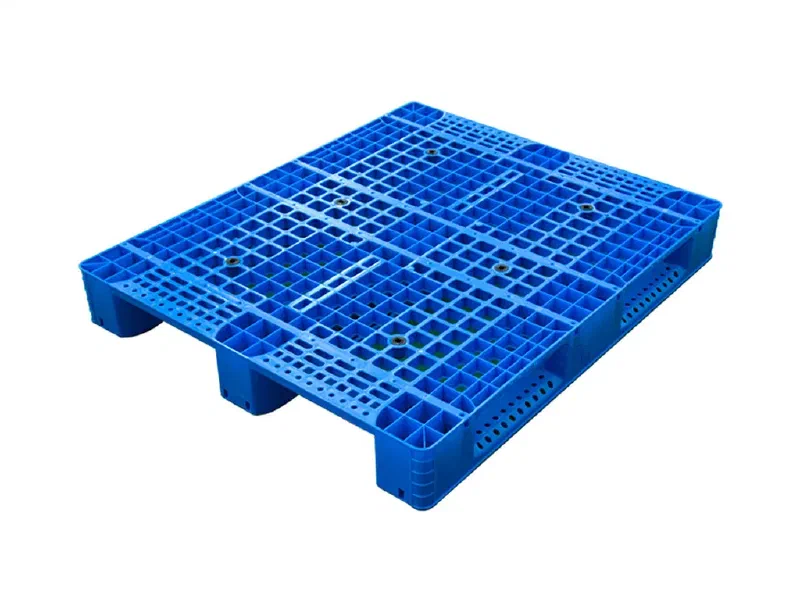
Cold-Ready HDPE Pallets
For cold-room storage where racking, stiffness, and toughness must be reviewed together.
View products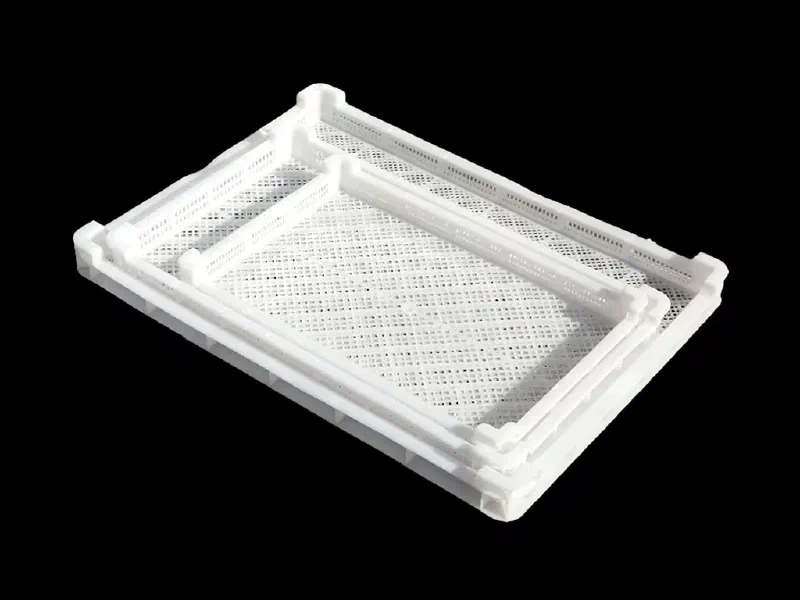
Freezing / Drying Trays
For frozen food, drying, and processing lines that need airflow and stackability.
View products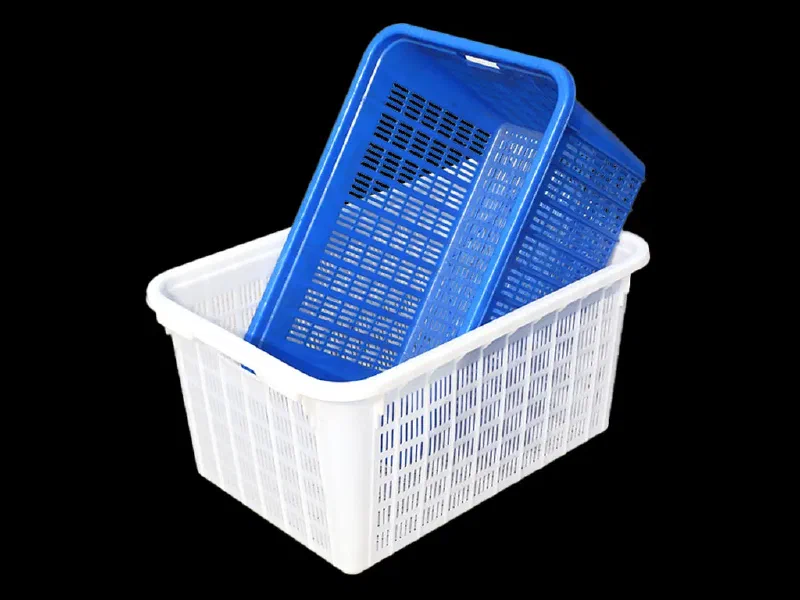
Plastic Crates
For chilled and frozen distribution where washing and reusable circulation are important.
View productsBuying resources
Useful guides for this application
Tell us about your cold-storage requirements
Include temperature range, load, rack span, storage duration, forklift type, cleaning method, and quantity.
