Inside our factory
How we manufacture plastic pallets and containers
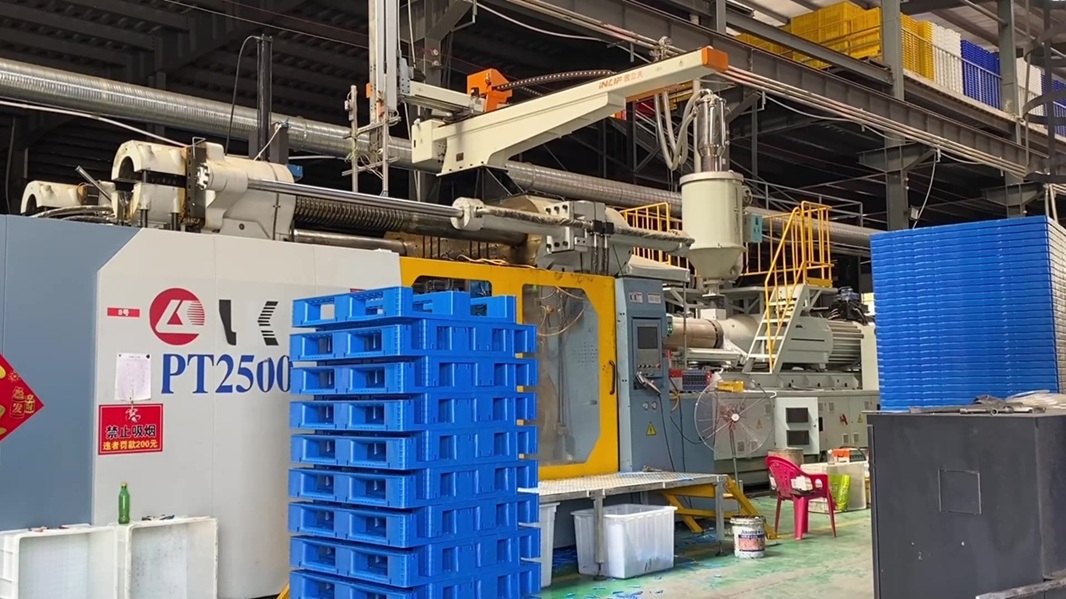
We use injection molding and blow molding to produce industrial plastic products. Before mass production, we confirm the material, construction, reinforcement, inspection method, packing quantity, and delivery requirements for the order.
Production processes
Injection molding, blow molding, and tooling
The product design and order quantity determine the process. We use injection molding for most pallets, crates, boxes, and bins, and blow molding for selected hollow or impact-resistant products.
Injection molding
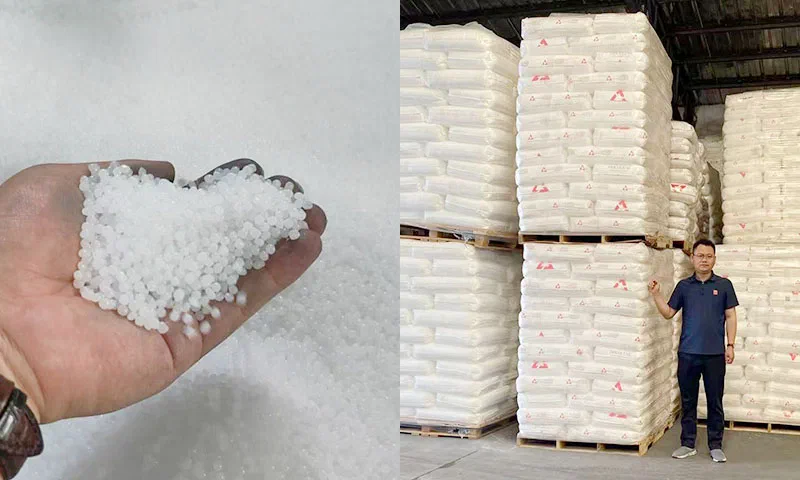
Used for most HDPE/PP plastic pallets, crates, turnover boxes, and waste bins where dimensional consistency, rib design, and repeatable load performance are required.
- Suitable for rackable, stackable, nestable, and hygienic pallet structures
- Supports steel-tube reinforcement, anti-slip deck texture, and color options
- Reliable for repeat orders of standard models
Blow molding
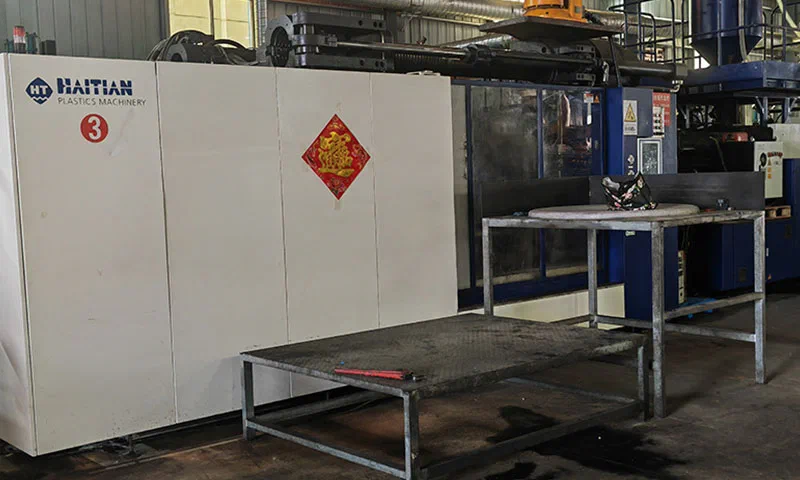
Used for hollow or impact-resistant products where toughness and lower product weight can be important, including selected pallets and large plastic parts.
- Useful for impact-prone logistics and outdoor handling scenarios
- Can support heavier-duty formats where structure and wall thickness are critical
- Reviewed case by case based on load and application
Tooling and adjustments
Tooling support allows standard products to be adjusted for project details such as logo, label zones, drainage, ribs, reinforcement position, and color management.
- Logo, color, barcode area, and label-zone options
- Rib and reinforcement review for rack or stack requirements
- Sampling and confirmation before mass production
Material system
Choose the right material for the job
HDPE / PP selection
HDPE is commonly selected for toughness and lower-temperature handling. PP may be considered when stiffness or application conditions make it suitable.
Virgin and recycled-content options
For hygiene-sensitive applications, virgin material is usually preferred. For cost-driven industrial circulation, controlled recycled-content options can be evaluated.
Functional requirements
Anti-static, color-coded, reinforced, cold-room, and washable applications are reviewed against actual handling conditions before quotation.
Quality control
Material, production, product, and shipment checks
We check incoming material, monitor molding, inspect finished products, and verify packing before the order is released for shipment.
-
Incoming material check
Material type, color consistency, and batch traceability are checked before production.
-
In-process inspection
Production teams monitor molding condition, flash, deformation, weight, dimensions, and visible defects during the run.
-
Application-oriented tests
Load, stacking, forklift handling, cold-room, and impact checks can be arranged according to the project risk profile.
-
Shipment release
Before loading, products are inspected, packed by SKU, and documented with shipment and loading photos when required.
Customization
Customization for volume orders
- Custom color for area management, hygiene zoning, or brand identity
- Embossed, printed, or hot-stamped logo options depending on model
- Steel-tube reinforcement for selected rack or heavy-duty pallet structures
- Label zones, barcode areas, and numbering support for asset management
- Packing plans for container loading, nested return flow, and SKU separation
Export delivery
Packing and container loading for export orders
Plastic pallets and containers take up significant shipping space. Before the order is confirmed, we review the MOQ, sample timing, packing method, units per container, Incoterms, and required documents so you can estimate the landed cost more accurately.
- FOB, CIF, and project-based logistics communication
- Full-container and mixed-SKU loading plans
- Shipment and loading photos when needed
- Model replenishment support for repeat procurement
Send these details for a manufacturing review
Share the product type, size, quantity, load, rack span, temperature, forklift type, stacking height, color/logo needs, destination port, and target delivery timing.
