Industry Insights
Plastic Pallet Weight and Manual Handling RFQ Checks
Learn how to specify plastic pallet weight without sacrificing handling safety, rack performance, pallet-jack use, or sample testing.
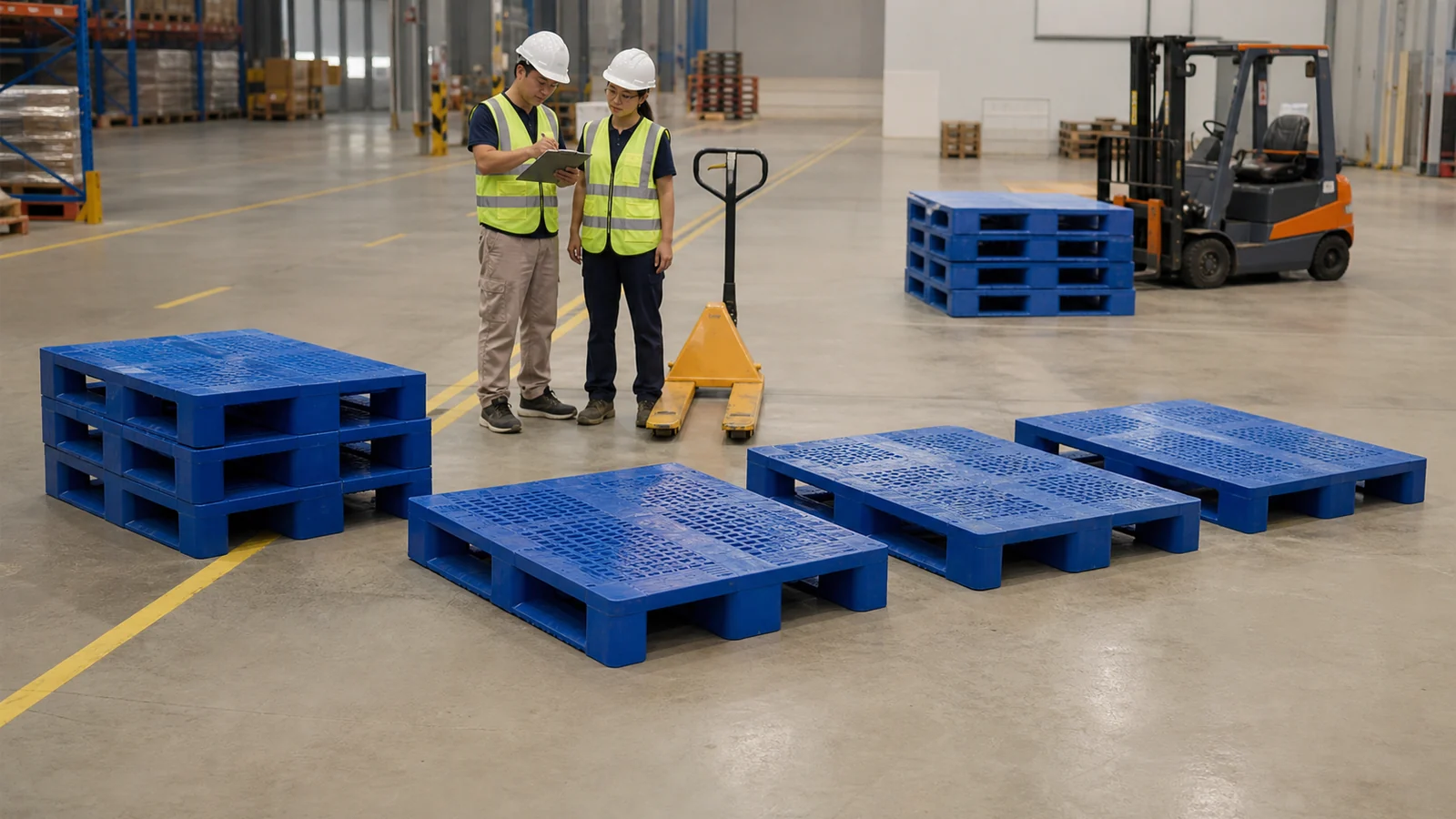
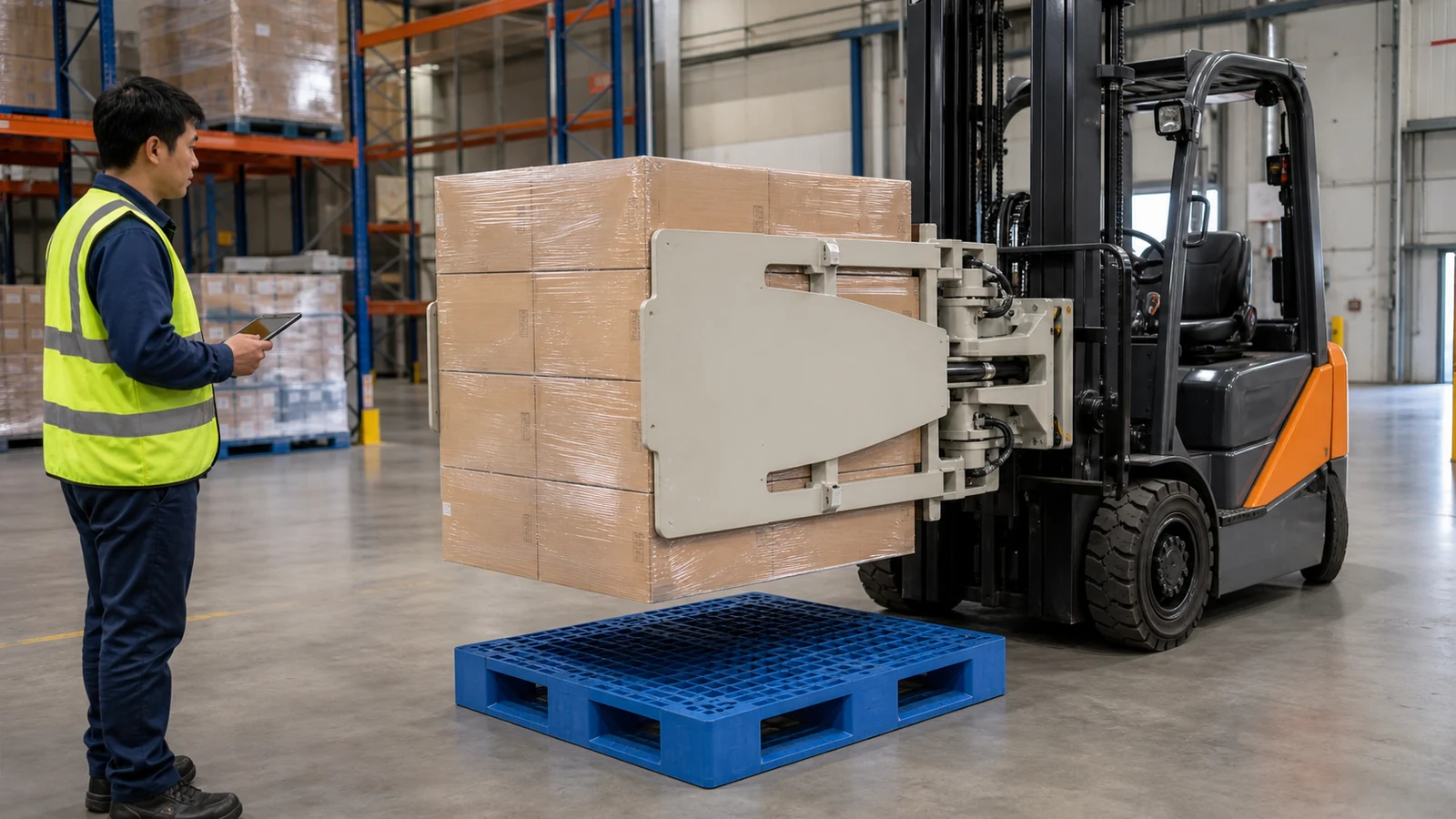
A lighter plastic pallet can make a warehouse route easier, but only if weight is the real constraint. In many operations, the loaded pallet is moved by forklift while empty pallets are lifted, pulled, nested, washed, sorted, or staged by people. In other routes, the pallet must survive racking, pallet-jack entry, fork impact, cold rooms, stretch wrapping, or repeated return cycles.
If the RFQ only says “quote your lightest pallet,” the buyer may solve one handling problem and create several new ones. The useful question is: what is the lightest pallet that still works for the load, handling equipment, storage method, empty-pallet movement, and inspection requirements of this route?
This guide is a specification aid, not an ergonomic approval. Manual-handling risk depends on the actual task, worker posture, frequency, distance, environment, and site controls. Confirm safety assessment with the responsible EHS or operations team, and confirm pallet performance against the supplier’s current product data and sample tests.
Start with the route, not the pallet weight
Before asking suppliers for a target weight, map how the pallet moves when it is empty and loaded. Empty-pallet handling is easy to miss because it happens between main process steps: receiving, line-side staging, washing, return sorting, nesting, un-nesting, truck loading, and damaged-pallet quarantine.
Official ergonomics guidance supports this route-based view. CDC/NIOSH ergonomics guidance describes risk factors such as lifting, pushing, pulling, carrying, awkward posture, cold, vibration, intensity, frequency, and duration. HSE manual-handling guidance treats manual handling as a risk-assessment problem, not a single product property. OSHA’s warehousing overview also notes material-handling and overexertion risks in warehouse work.
For pallet selection, turn those ideas into practical RFQ inputs:
| Route input | What to record before asking for a lighter pallet |
|---|---|
| Empty handling | Lift, carry, pull, push, slide, nest, un-nest, wash, stack, or pallet-jack |
| Frequency | Pallets per shift, repeated handling points, peak periods |
| Posture and height | Floor level, waist height, high stack, turning, reaching, gloves |
| Equipment | Forklift, pallet jack, conveyor, dispenser, lift table, AGV, wrapper |
| Environment | Dry, wet, cold, freezer, outdoor staging, washdown, chemical exposure |
| Structural duty | Floor stack, rack, container loading, point load, return loop, automation |
If the route includes many manual empty-pallet moves, weight matters. If the route includes beam racking, long storage dwell time, heavy point loads, or harsh impact, weight is only one part of the decision.
Why the lightest pallet is not automatically best
Lightweight pallets can be useful for export shipments, low-risk internal transfer, manual empty return, and controlled floor staging. A nestable pallet may reduce empty-return volume and make manual sorting easier. In those cases, lower weight can be a real advantage if the load and route are modest.
But reducing pallet weight can also reduce stiffness, runner depth, impact resistance, deck support, or bottom contact. That matters when the pallet is used in racks, handled by pallet jacks, exposed to cold impact, loaded with drums or pails, or moved through conveyors and stretch wrappers.
Pallet test standards help buyers use consistent language, but they do not replace site trials. ISO 8611-1:2025 provides test methods for flat pallets and also notes that field tests for specific pallet designs remain important. If a pallet will support a real unit load, on a real rack span, for a real dwell time, the sample test should reproduce those conditions as closely as practical.
Use the plastic pallet RFQ checklist to keep weight, material, load type, support method, equipment, temperature, and sample testing in one specification. If the route may require either nesting or racking, review nestable vs rackable plastic pallets before treating lower weight as the main goal.
Build a handling map before sending the RFQ
A useful RFQ does not only ask for pallet dimensions and load capacity. It explains how the pallet will be touched.
Create a simple handling map:
- Where does the empty pallet arrive?
- Who separates it from the stack?
- Is it lifted by hand, dragged, pulled with a hook, moved by pallet jack, or picked by forklift?
- How high is the empty stack?
- Is the floor wet, cold, uneven, or congested?
- Is the pallet washed, dried, labeled, inspected, or quarantined?
- Where does the loaded pallet go: floor, rack, trailer, container, conveyor, or return loop?
- How often does each movement happen in one shift?
The answer may show that the right solution is not only a lighter pallet. It may be a pallet dispenser, lower empty-stack height, better pallet-jack access, smaller return batches, different nesting practice, clearer damaged-pallet lanes, or a different pallet category.
If manual pallet trucks are part of the route, pair the weight discussion with pallet-jack compatibility checks . A lighter pallet that is hard to enter with a pallet jack can still create daily handling friction.
Scenario A/B/C/D: how to judge the tradeoff
A. Export or low-risk transfer. A lightweight nestable pallet may be suitable when the load is stable, floor storage is short, racking is not required, and empty return volume matters. Confirm deck support, truck or container loading, fork entry, and transport stability.
B. Rack or heavy floor-stack route. Do not start with the lightest option. Start with rack span, load distribution, dwell time, temperature, and deflection acceptance. Use the rack deflection acceptance guide before approving samples.
C. Manual empty sorting plus equipment handling. Weight matters, but so do stack height, nesting release, corner grip, pallet-jack entry, and the number of touches per shift. Reduce unnecessary manual touches first, then choose the lightest pallet that still meets the loaded route.
D. Wet, cold, washing, or hygiene routes. A lighter pallet may be easier to move, but moisture, gloves, cold impact, drainage, drying, and label survival can become more important. Do not ignore cleaning release or material behavior just because the empty pallet is lighter.
When not to choose the lightest plastic pallet
Pause before choosing the lightest plastic pallet when:
- the pallet will be used on rack beams or in AS/RS positions;
- goods create concentrated loads, such as drums, pails, machinery parts, or narrow-foot containers;
- pallet-jack entry is frequent and the base must resist repeated contact;
- the route includes freezer impact, wet floors, washdown, or outdoor staging;
- the site needs a customer pool pallet, metal stillage, disposable export packaging, or certified handling system;
- the main problem is not pallet weight but poor workstation height, excessive stack height, or lack of handling equipment.
Plastic pallets are not automatically the right answer for every ergonomic problem. A supplier can help with pallet structure, sample data, and route fit, but the site must still assess manual-handling risk under its own conditions. ISO 11228-1 is a reminder that manual lifting and carrying depend on task variables; it should not be reduced to a universal pallet-weight rule.
RFQ wording: ask for weight without forcing a weak design
Use wording that invites suppliers to protect the route, not just reduce kilograms:
| RFQ field | Example wording |
|---|---|
| Unit weight | State nominal pallet weight and tolerance for the quoted model. |
| Weight target | If a lower-weight option is available, identify any tradeoff in deck support, runner strength, rack suitability, impact resistance, or pallet-jack use. |
| Handling route | Empty pallets will be manually separated from stacks and moved by pallet jack before loading; loaded pallets move by forklift to floor storage. |
| Structural duty | Confirm static, dynamic, and racking suitability only under the stated load, support, temperature, and dwell-time conditions. |
| Sample test | Provide samples for empty handling, pallet-jack entry, loaded movement, stacking, and inspection before bulk order. |
For bulk purchases, connect this clause with a plastic pallet load test before bulk order . The trial should include both empty-pallet handling and loaded-pallet performance.
Questions to ask before approving samples
Ask the supplier:
- What is the unit weight and tolerance of the quoted model?
- Which material route, deck design, runner or base structure, and reinforcement options are used?
- Which load ratings are supplier model data, and under what support conditions?
- Does the requested weight target change rack, stack, impact, pallet-jack, or conveyor suitability?
- What sample tests do you recommend for this route?
Ask your EHS or operations team:
- Where are empty pallets lifted, pulled, pushed, nested, or un-nested?
- How often does each manual movement happen per shift?
- Can stack height, pallet dispenser use, pallet-jack access, or workstation layout reduce manual exposure?
- Are cold, wet, glove use, floor condition, or congestion part of the risk?
- Who will approve the site manual-handling assessment?
The best lightweight pallet is not the one with the lowest number on a quotation sheet. It is the lightest pallet that still performs the job under the real route. If you are comparing plastic pallet structures, share the load, equipment, storage method, empty-pallet handling points, and cleaning or return requirements. A supplier can then help shortlist practical samples, subject to current product data and your site’s own EHS review.