Buying Guides
How to Choose Plastic Pallets for Automated Beverage Palletizing
Select plastic pallets for a beverage palletizing line by checking the load, empty-pallet feeding, loaded-pallet transfer, storage and a trial with samples.
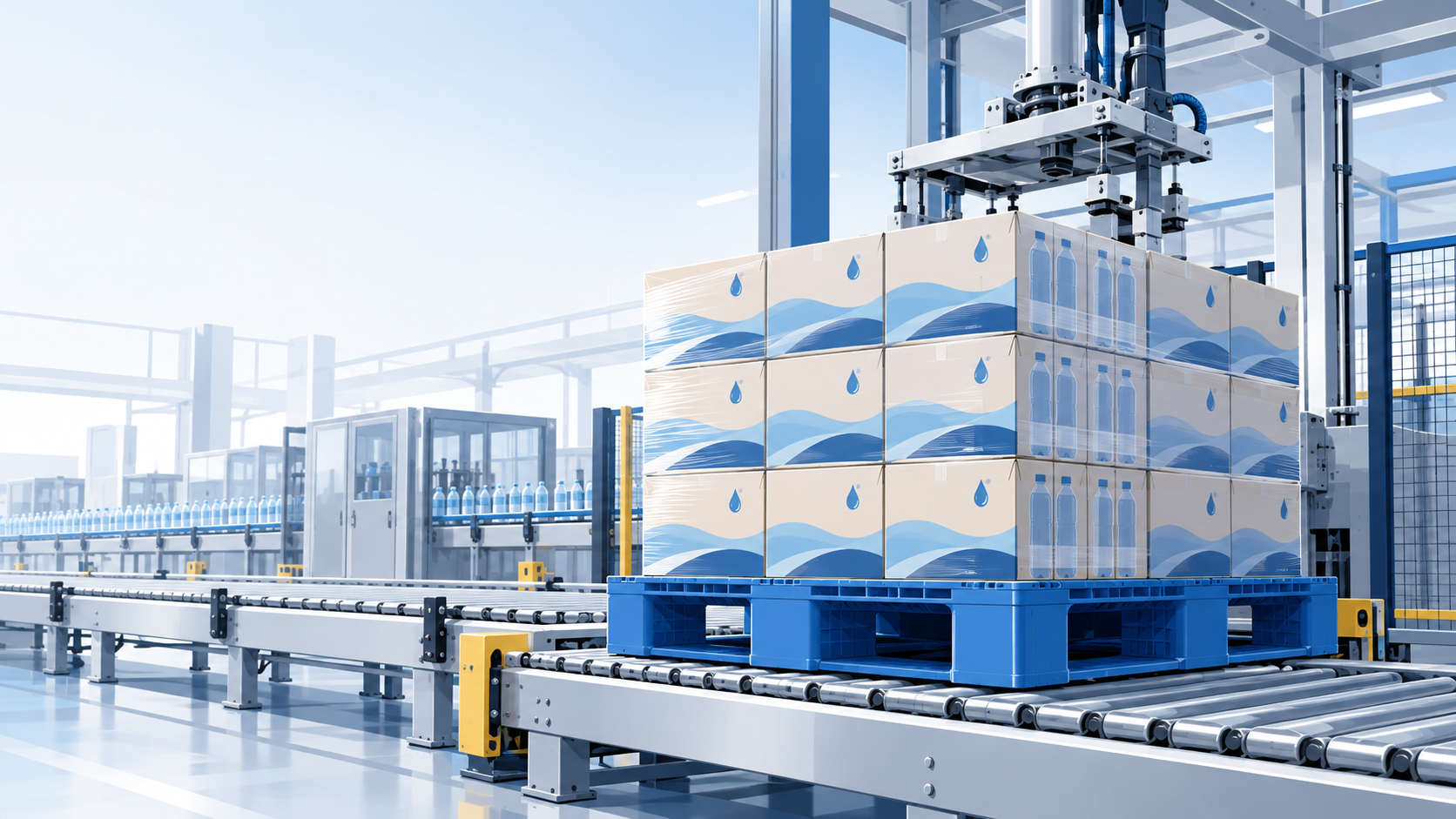
When buying plastic pallets for an automated beverage palletizing line, it is natural to start with dimensions and load capacity. Whether a pallet works reliably on the line also depends on the goods it carries, how empty pallets reach the palletizer, how loaded pallets travel, and where they are stored.
At the 2026 CBB exhibition, we saw beverage-line arrangements with manual pallet placement, automatic empty-pallet feeding and different types of loaded-pallet conveyors. Following the pallet through its actual route helps reveal selection issues that a specification sheet alone may miss.
1. Identify what the pallet will carry
Cartons, shrink-wrapped packs and shrink-wrapped packs with a base do not contact the pallet deck in the same way. The stacking pattern and weight distribution also affect the choice of pallet.
What type of packaging does the current stacking plan use? How many packs go on each layer, how many layers are stacked, and roughly how much does the loaded unit weigh? Does any product extend beyond the pallet? If pallets are already in use, photos and dimensions of the current pallet are useful. Baoheng can use these details to discuss candidate products, then check the specific load conditions.
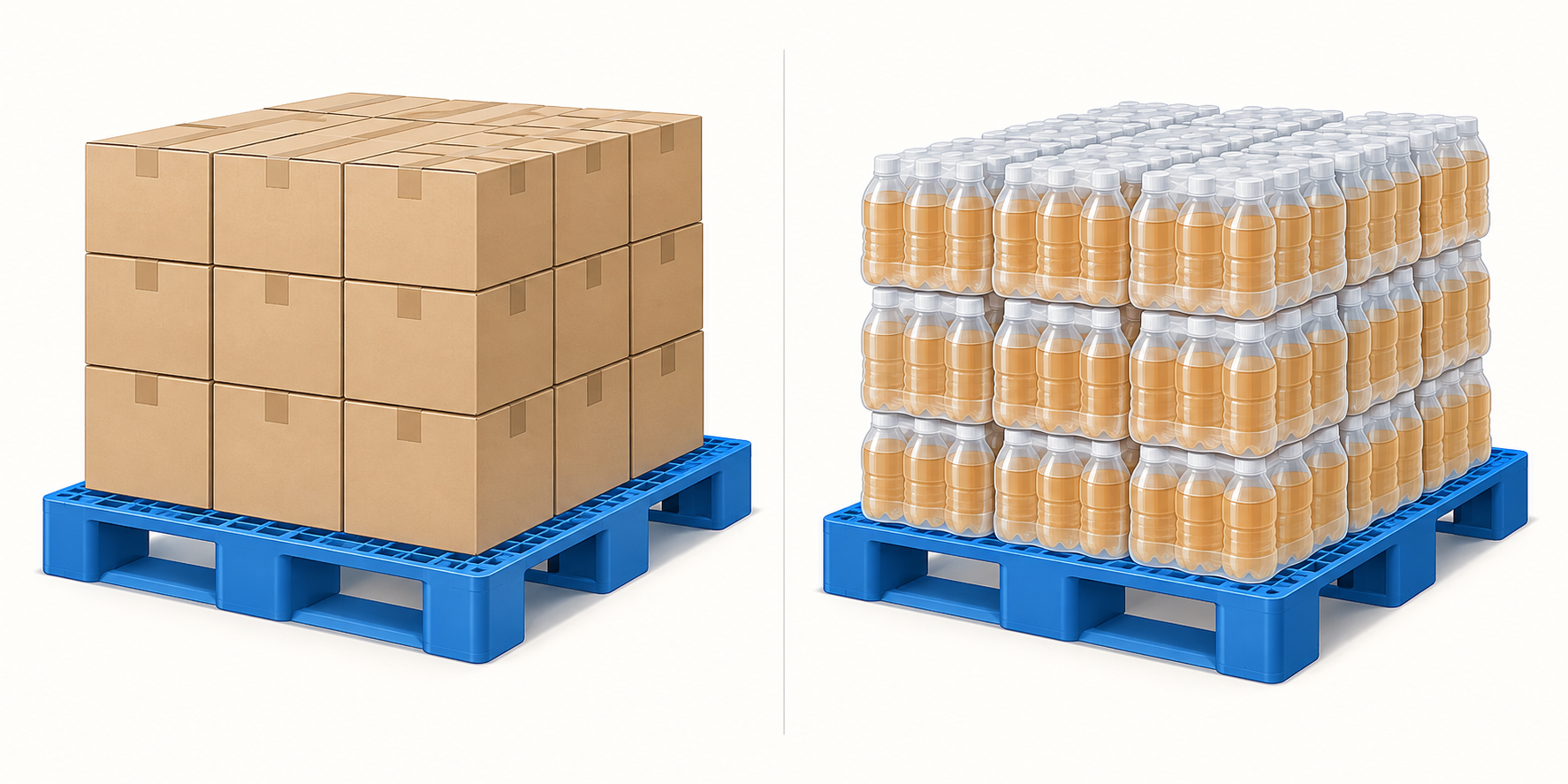
Figure 1. Illustrative carton and shrink-wrapped load patterns. Actual support needs depend on the packaging, stacking plan and load.
2. Check how empty pallets reach the palletizer
With manual placement, check the placement direction, fork-entry space and ease of handling. If a pallet dispenser separates and feeds empty pallets automatically, also check how the pallets stack, their underside structure, the separation points and their orientation as they enter the line.
Two pallets with the same length and width may not separate reliably in the same machine. For a line with an existing automatic pallet dispenser, share the equipment requirements or a sample of the pallet currently used before choosing a candidate model.
3. Follow the loaded pallet through conveying and handling
After palletizing, a forklift may remove the load directly. Otherwise, it may pass over roller or chain conveyors and through turns or transfer stations. Because each device supports the pallet in different places, the underside structure matters alongside the outside dimensions.
For rollers, establish where the underside is supported. For chain conveyors, check whether the chains align with the pallet’s lower support members. Turns, lifts and fork transfers also require suitable contact positions and clearance. Where automated conveying is involved, the equipment supplier can provide the interface requirements so Baoheng can review candidate pallets against them.
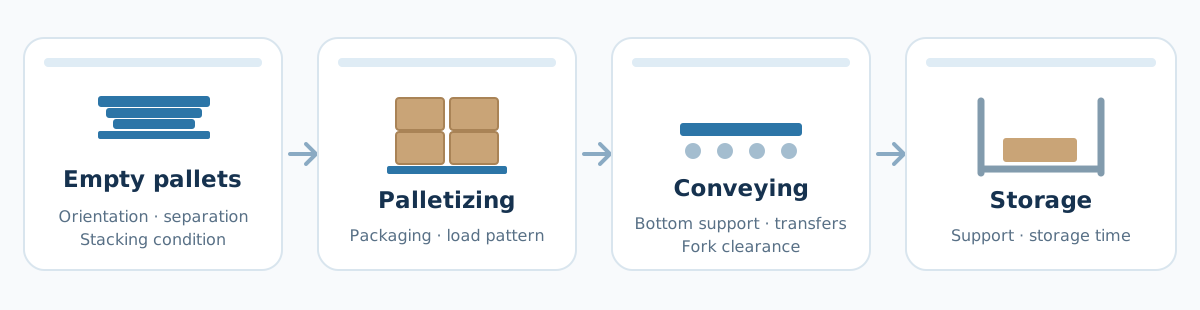
Figure 2. Illustrative pallet route. Check equipment interfaces against the actual line.
4. Consider load securing and storage together
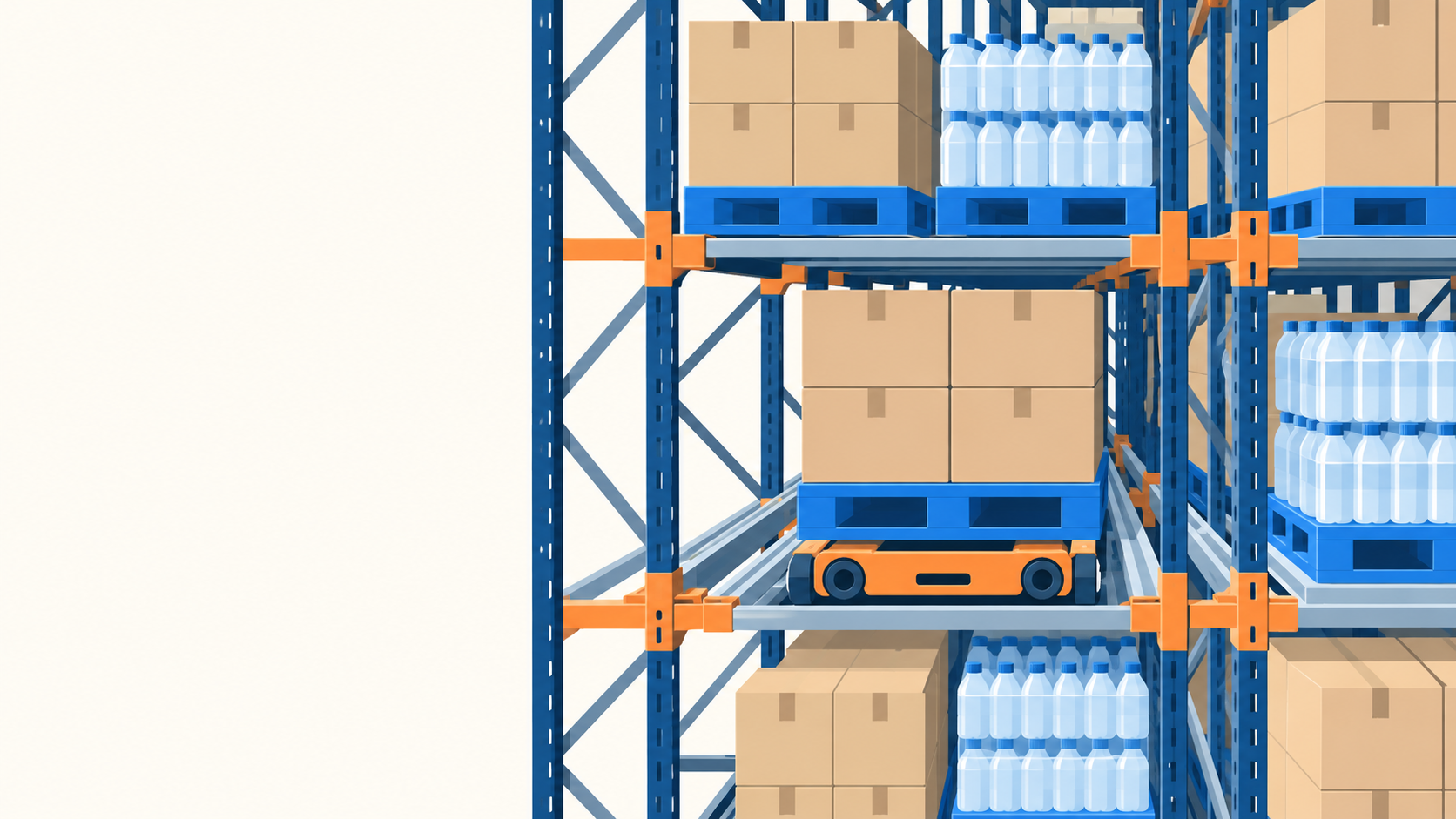
If the completed unit will be stretch-wrapped, handled or stored, consider the pallet together with the stacking and load-securing method. Beyond load weight, establish whether the unit will stand on the floor, be stacked, sit in racks or enter automated storage.
These conditions differ in support and duration of loading. A load rating for floor storage cannot, by itself, establish suitability for rack storage. Cold circulation, washing or other special conditions should also be described during selection and checked against the information for the specific product.
5. Run a sample through the actual route
Once the paper review is complete, test a candidate pallet in the relevant parts of the operation. Check that an empty pallet enters the station as intended, supports the real stacking pattern, transfers through conveying and handling, and meets the project’s storage requirements.
Baoheng can provide samples. First agree which steps to test, what goods to use and how the result will be assessed. The exact sample model and delivery arrangements can then be confirmed for the project.
Start with what you already know
If you know the approximate pallet size, the beverage packaging to be carried and what pallet is currently in use, you can start a conversation with Baoheng. Photos of the current pallet, a sample, or a view of the operating line can help narrow the candidate options.
Where the pallet must enter automatic feeding, conveying or storage equipment, the relevant equipment interface requirements can follow. Together, these details help identify products worth sampling and the conditions that still need to be verified on the line.